Key takeaways
- Commercial work is shaped by neighbors, tenants and building rules.
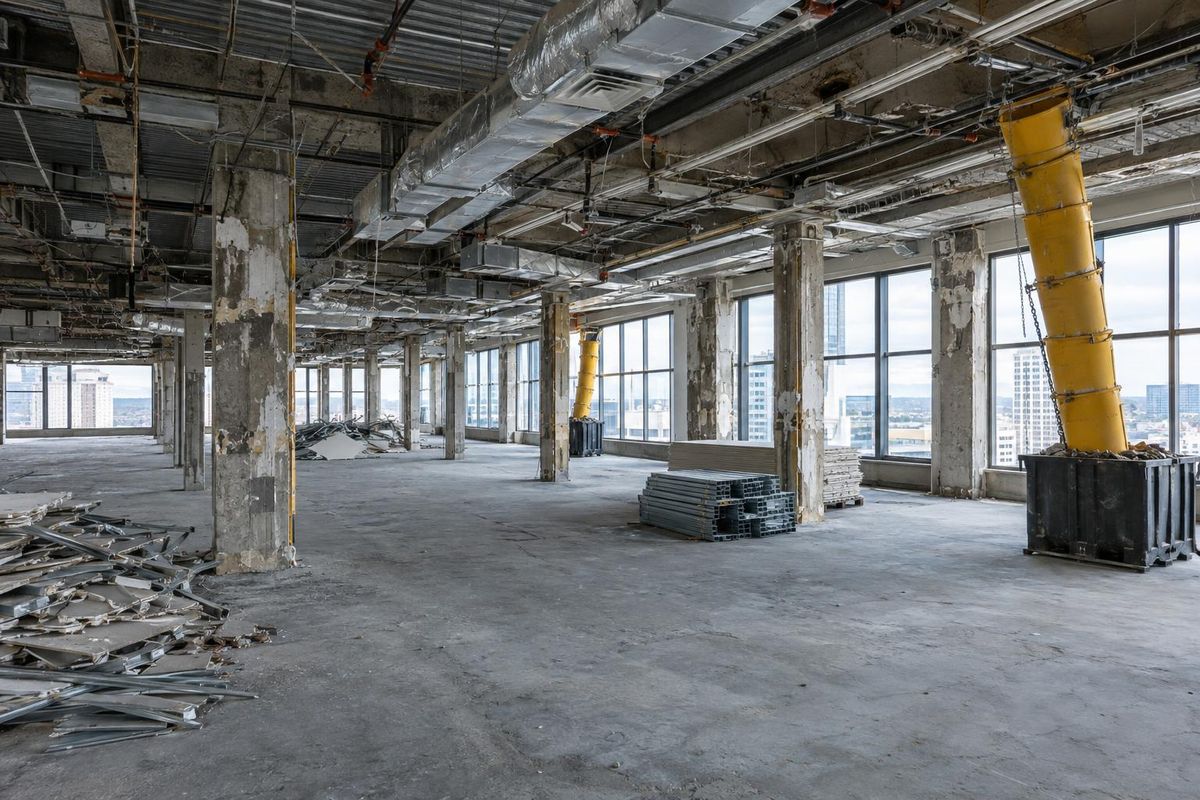
- Strip-outs often happen in occupied buildings with limited hours.
- Steel and concrete recycling can be a large part of the plan.
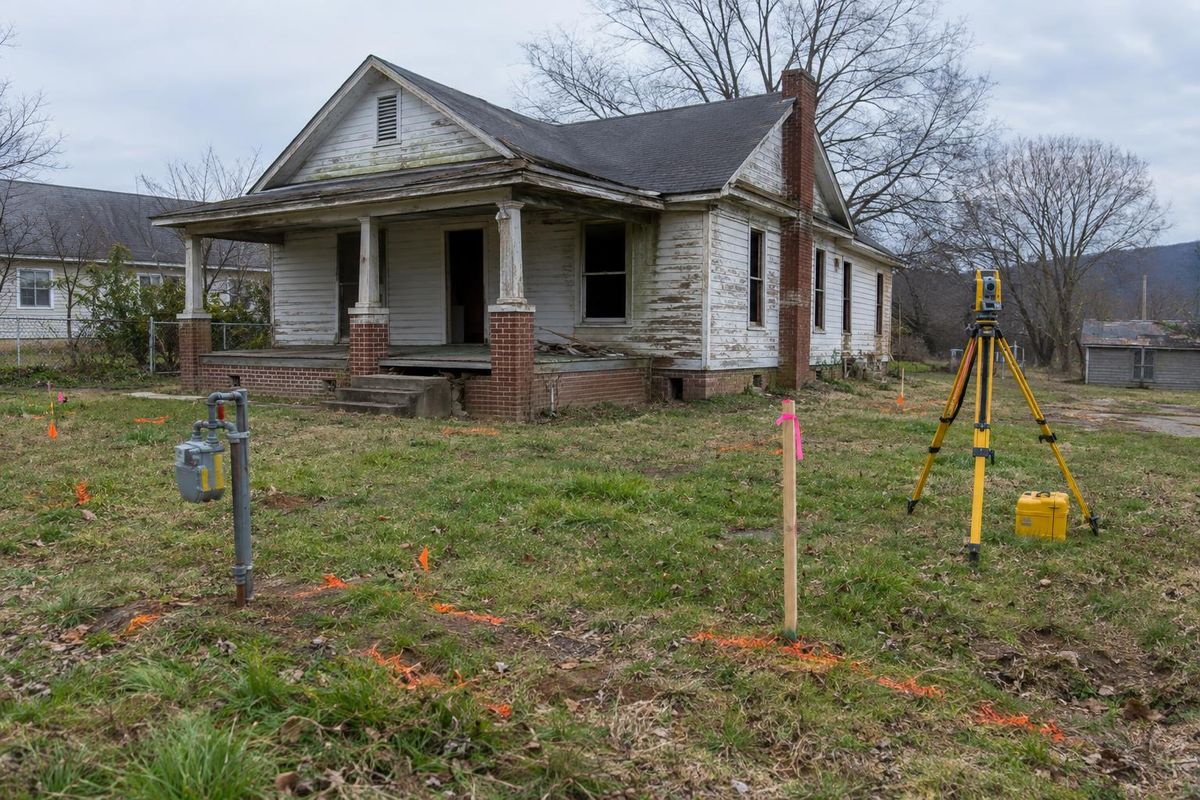
- Surveys, utility cutoffs and site control come first.
Teardowns and strip-outs
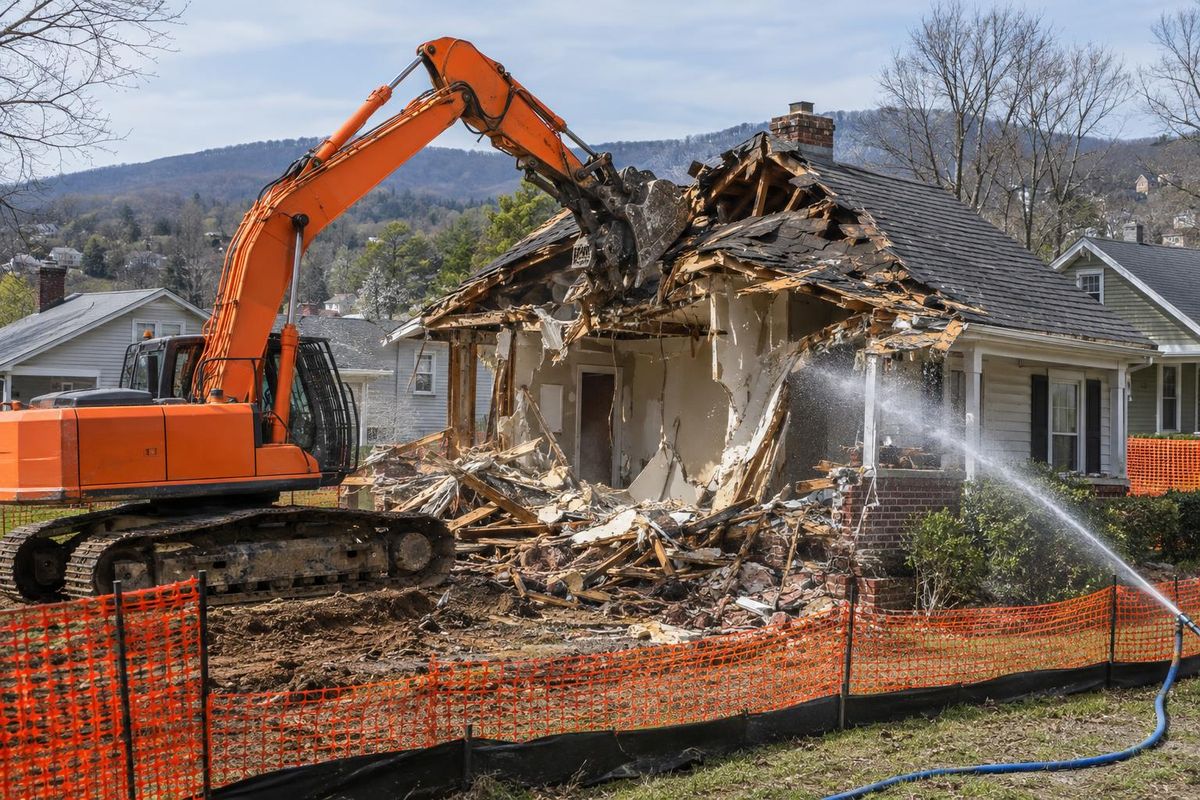
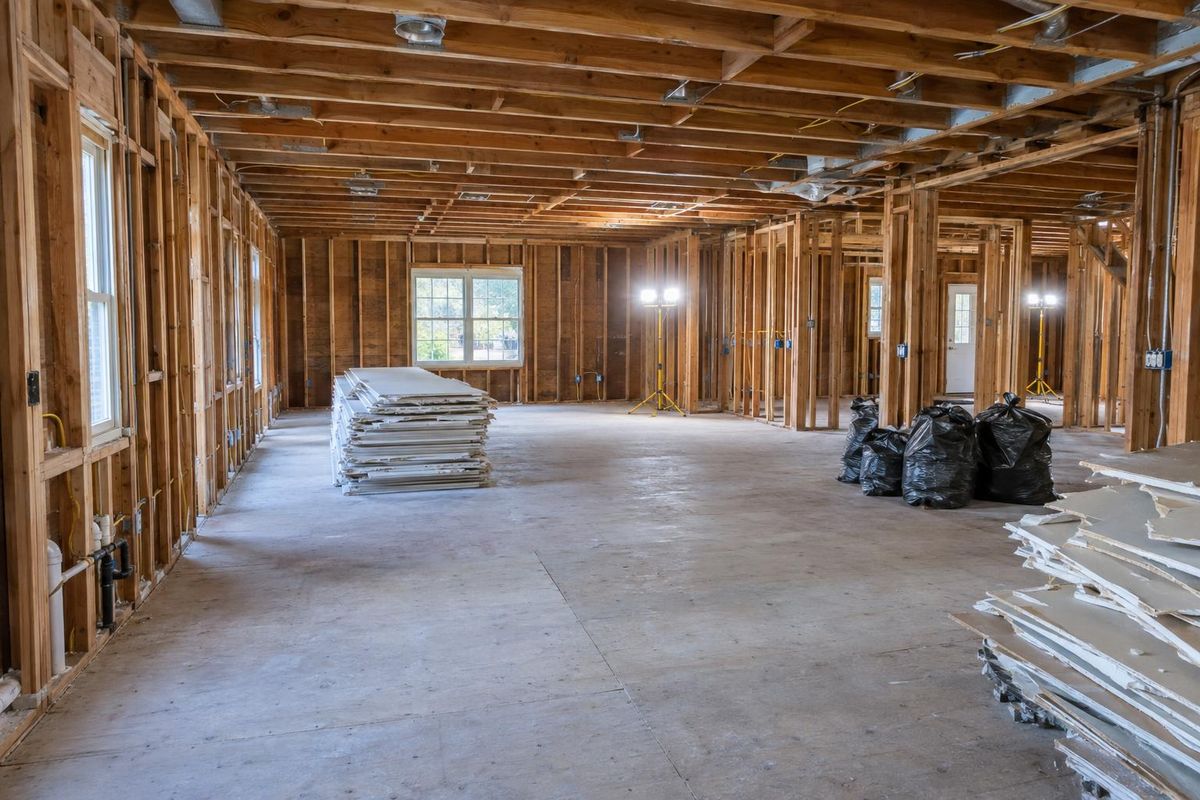
A teardown removes the whole building. A strip-out removes the interior finishes and systems and leaves the shell. Selective demolition removes only a specific section. Each calls for different equipment, hours and protection.
Decide which you need before you ask for proposals.
Working around people
Commercial buildings often have tenants, shared walls, loading docks and traffic. Plans cover work hours, dust and noise limits, elevator protection and haul routes. Proof of coverage and building rules are common requirements.
Good communication with the property manager keeps the schedule smooth.
Materials and recycling
Commercial buildings contain large quantities of steel, concrete, masonry and mechanical systems. Sorting at the site helps recover value and lowers disposal volume. Recycling documentation can help with green building goals.
The groups below publish industry resources. Brand names and organizations belong to their owners, and we are not affiliated with them.
Official sites to explore
Brand names and logos belong to their owners. These links open the official websites in a new tab, and we are not affiliated with them.
Quick answers
Can you work while the building is occupied?
Often yes, with barriers, schedules and protection.
How do you handle hazardous materials?
Surveys come first, and qualified specialists remove regulated materials.
Do you recycle steel and concrete?
Yes. We sort and recycle them where possible.