Key takeaways
- Decide what stays before the first tree comes down.
- Mulching, chipping, hauling and burning each suit different sites.
- Stumps can be ground, pulled or left.
- Bare soil needs erosion control right away.
Mark what stays
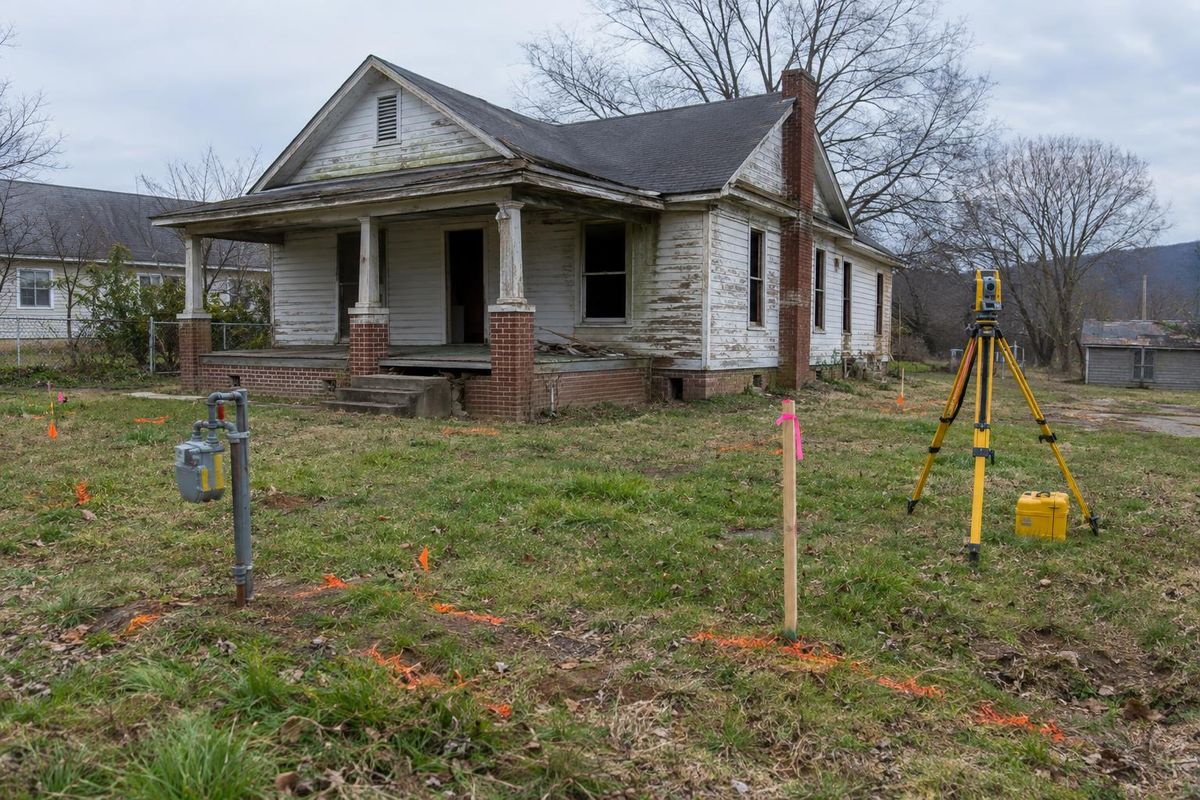
Walk the land with your contractor and flag trees to keep, along with property lines, wells, septic areas, drainage paths and any special features. Protecting root zones matters: heavy equipment and fill near a tree can kill it.
Mature shade trees are worth keeping near building sites when they are healthy.
Methods
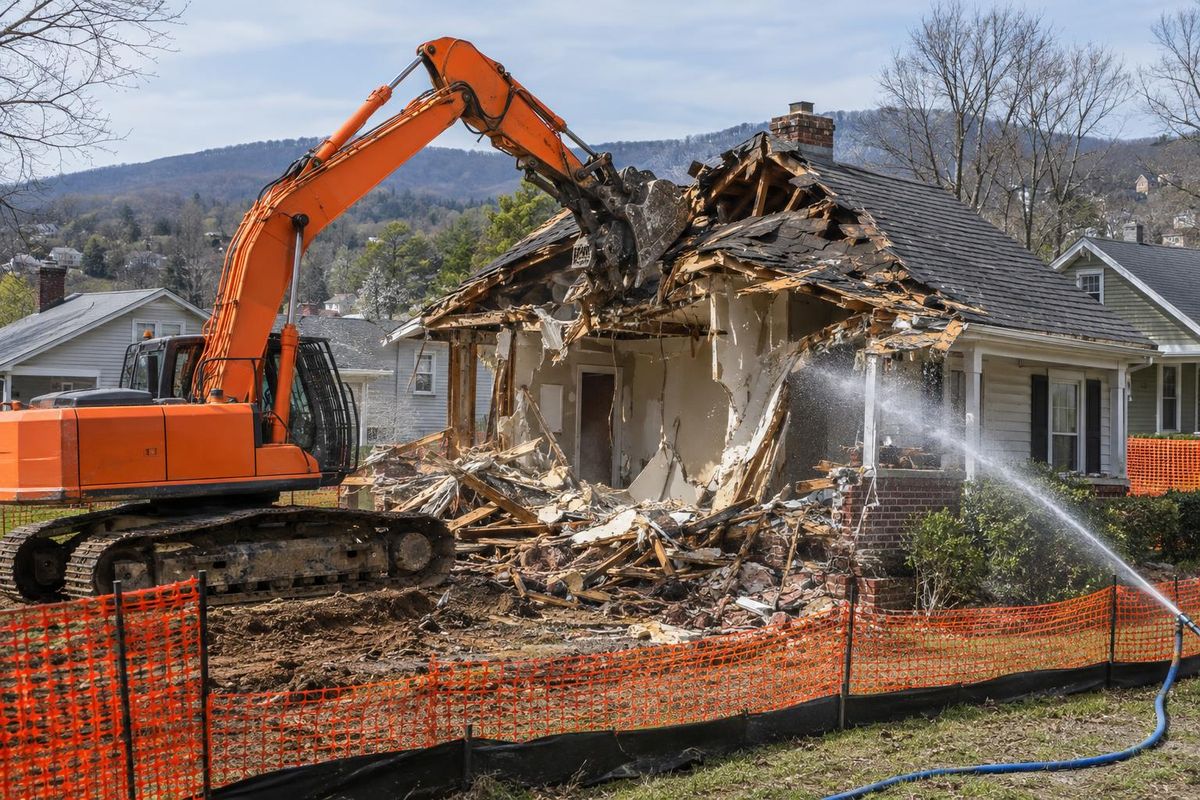
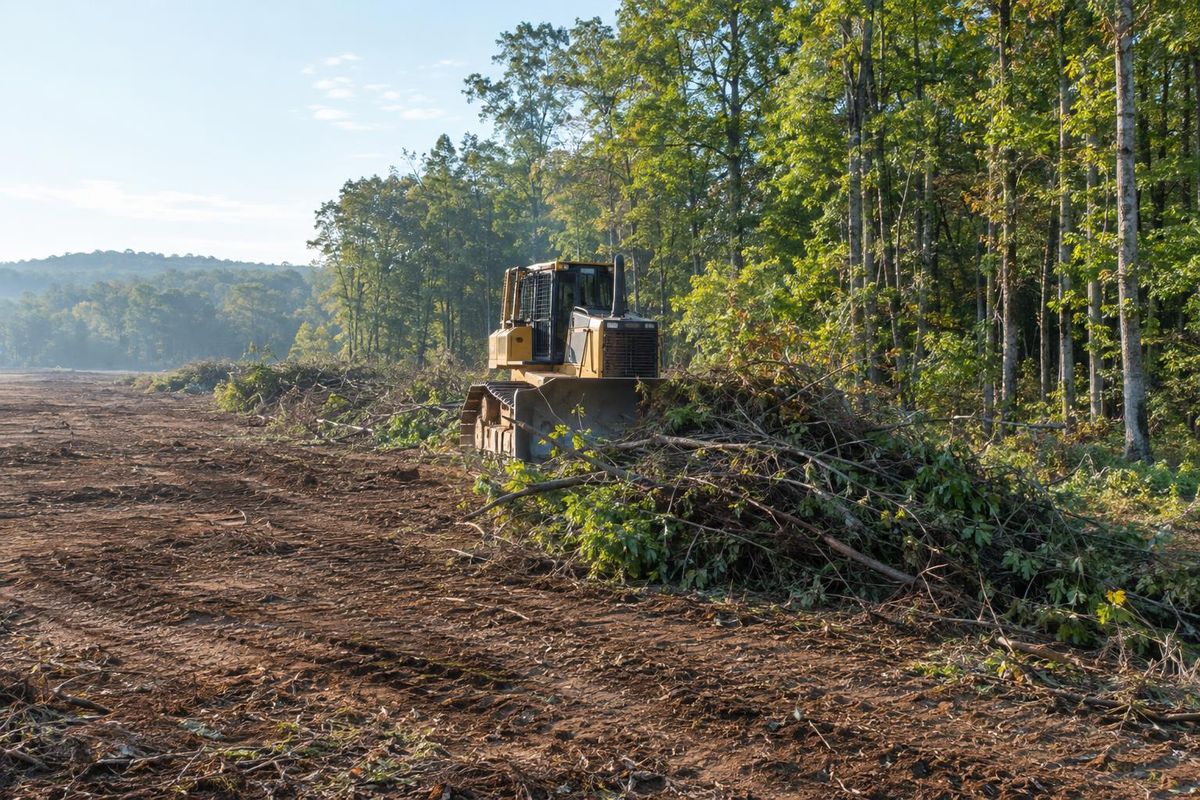
Forestry mulching grinds brush and small trees in place. Clearing with a dozer or excavator pushes trees into piles that are chipped, hauled or burned where allowed. Selective clearing uses chainsaws and chippers. The right method depends on the terrain, the size of the trees and the end use.
Stumps are ground below grade, pulled or left to rot, depending on what will be built.
Protect the soil
Cleared ground erodes quickly. Silt fence, straw, mulch, seeding and swales keep soil on the site and out of streams. Steep slopes may need walls or terraces. Local rules often require erosion control on cleared sites.
The organizations below offer tree and land care information. Brand names and organizations belong to their owners, and we are not affiliated with them.
Official sites to explore
Brand names and logos belong to their owners. These links open the official websites in a new tab, and we are not affiliated with them.
Quick answers
Do I need a permit to clear land?
Sometimes, especially near streams or in certain districts. Check with your local government.
Can brush be burned?
Local burn rules vary. Mulching and chipping avoid the question.
How do I keep the shade tree I love?
Flag it and protect its roots before the work begins.